
The Fragrant Mandi Rice Dish: Defines Arabian Comfort Food
Mandi is one of those dishes that immediately feels special the moment it arrives at the table. Deeply rooted in Saudi Arabian cuisine and widely loved across Yemen and the Gulf region, Mandi is known for its aromatic basmati rice, slow-cooked meat, and warm blend of spices that create a rich but balanced flavor. It is not just a rice dish; it is a complete cultural experience built around hospitality, family gatherings, and generous serving platters meant to be shared. In many homes and restaurants, Saudi Mandi is served as the centerpiece of a meal because it brings together tenderness, fragrance, and satisfying depth in a way few dishes can match.
What makes Mandi stand out is its careful layering of flavor. The rice absorbs meat stock, saffron or turmeric, whole spices, and the natural richness of the cooked chicken, lamb, or goat. The meat is usually cooked slowly until it becomes soft enough to fall apart with little effort. A smoky touch is often added through a traditional cooking method that gives Mandi its unmistakable aroma. That combination of soft rice, juicy meat, and subtle spice is what keeps Mandi at the top of Arabian comfort food lists.
Mandi Price Range, Calories, and Short Description
| Mandi Type | Price Range | Calories Per Serving | Short Description |
|---|---|---|---|
| Chicken Mandi | $6–$12 | 550–750 kcal | A lighter version made with tender chicken, fragrant rice, and mild spices. |
| Lamb Mandi | $10–$20 | 700–1,000 kcal | Rich, hearty, and deeply flavorful, with slow-cooked lamb over spiced rice. |
| Goat Mandi | $12–$22 | 750–1,050 kcal | A more traditional and robust version, often served at special occasions. |
| Mixed Mandi | $15–$25 | 800–1,100 kcal | A generous platter featuring different meats, ideal for sharing. |
Recipe for Mandi
Ingredients
- 2 cups basmati rice
- 500 grams chicken, lamb, or goat
- 2 onions, thinly sliced
- 3 tablespoons ghee or cooking oil
- 2 tomatoes, chopped
- 1 tablespoon ginger-garlic paste
- 1 cinnamon stick
- 4 cardamom pods
- 4 cloves
- 1 bay leaf
- 1 teaspoon cumin
- 1 teaspoon coriander powder
- 1 teaspoon black pepper
- 1 teaspoon paprika
- 1 teaspoon turmeric
- 1 teaspoon black lime powder or dried lime
- Salt to taste
- 4 cups water or stock
- Saffron water or turmeric water for color
- Fried onions and nuts for garnish
Method
- Rinse the basmati rice well and soak it for about 20 to 30 minutes.
- Heat ghee or oil in a heavy pot and sauté the onions until they turn soft and golden.
- Add ginger-garlic paste and cook briefly until the raw smell disappears.
- Stir in the tomatoes and all the dry spices, letting them release their aroma.
- Add the meat and brown it on all sides so the flavor develops properly.
- Pour in water or stock, then simmer until the chicken or meat becomes tender.
- Remove the cooked meat and set it aside while keeping the broth in the pot.
- Add the soaked rice to the broth and cook until the grains are fluffy and fully done.
- Place the meat over the rice and allow everything to steam together for a few minutes.
- Finish with saffron water, fried onions, and nuts before serving hot.
Why Mandi Is So Popular
Mandi remains popular because it balances simplicity with richness. The dish does not depend on overly sharp heat or complicated sauces. Instead, it builds flavor slowly through spices, stock, and tender meat. That makes it appealing to a wide range of people, from those who enjoy traditional Saudi dishes to anyone who likes rice-based meals with strong aroma and comforting texture.
Another reason Mandi is so loved is its versatility. Chicken Mandi is common for everyday meals because it is lighter and faster to prepare. Lamb Mandi brings a richer flavor and is often chosen for weekends, guests, or celebrations. Goat Mandi is closer to the classic old-style Arabian version, especially in more traditional settings. No matter which version is served, the dish usually feels generous and satisfying.
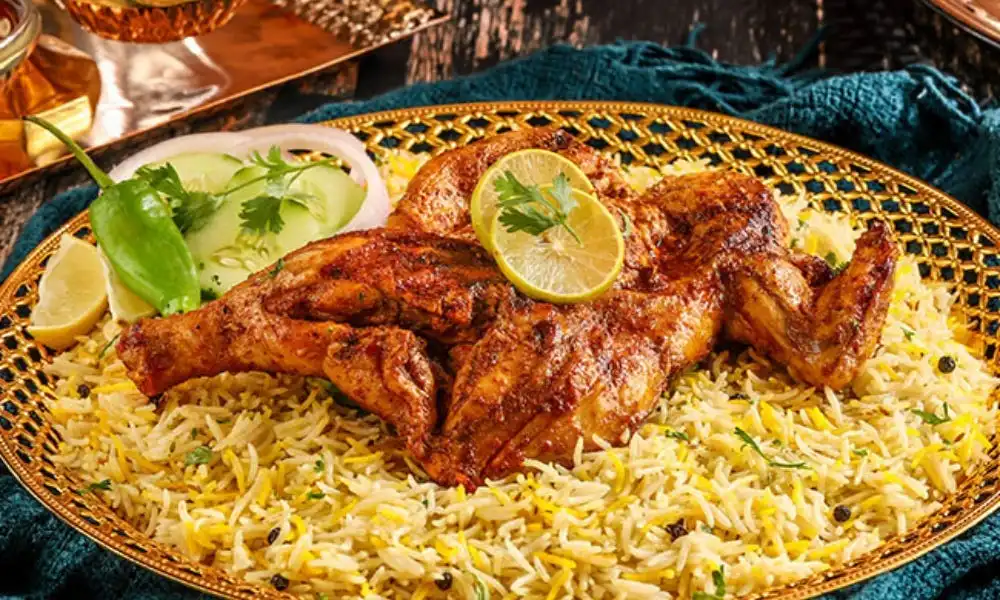
Mandi also connects strongly with the idea of shared dining. In Saudi homes and restaurants, it is often served on large platters with rice spread out first and meat placed on top. This style of presentation makes the meal feel communal and welcoming. That sense of togetherness is a major part of why Mandi has remained such an important dish in Arabian food culture.
Key Ingredients That Give Mandi Its Signature Taste
The foundation of Mandi is basmati rice. Its long grains stay separate and light, which works well with the rich meat broth. Spices such as cardamom, cinnamon, cloves, cumin, coriander, and black pepper create warmth without overpowering the dish. Black lime, also called dried lime, adds a subtle tang that deepens the overall flavor. Ghee contributes a smooth, rich finish, while saffron or turmeric gives the rice a beautiful color and extra aroma.
The meat matters just as much as the rice. Chicken Mandi gives a mild and clean taste, while lamb and goat bring stronger depth and a more traditional feel. Slow cooking is essential because it softens the meat and allows it to absorb the spice blend fully. The broth left behind is just as important, since it carries the concentrated flavor that the rice later absorbs.
FAQs
What is Mandi?
Mandi is a traditional Arabian rice and meat dish made with spiced basmati rice and slow-cooked chicken, lamb, or goat.
Is Mandi from Saudi Arabia?
Mandi is strongly associated with Saudi Arabian cuisine and is also deeply rooted in Yemeni culinary traditions. It is widely eaten across the Gulf and the wider Middle East.
What does Mandi taste like?
Mandi has a fragrant, savory, and gently spiced taste. The rice is aromatic, the meat is tender, and the overall flavor is rich without being too heavy.
Is Mandi healthier than fried fast food?
Mandi can be a more balanced meal than fried food because it includes protein and rice cooked with spices instead of heavy frying. The calorie level depends on the meat, portion size, and added oil or ghee.
Which meat is best for Mandi?
Chicken is the lightest and most common choice, while lamb gives a deeper flavor. Goat is often preferred for a more traditional and bold version.
What makes Mandi different from biryani?
Mandi is usually milder, more aromatic, and often has a smoky element. Biryani tends to be more layered and spicier, with a stronger mix of seasonings.
Conclusion
Mandi holds a special place in Saudi Arabian food culture because it brings together flavor, tradition, and comfort in one dish. Its appeal comes from the balance of fragrant basmati rice, tender slow-cooked meat, and spices that add warmth without overwhelming the palate. Whether it is chicken Mandi served on a regular evening or lamb Mandi prepared for a gathering, the dish always feels generous and deeply satisfying.
For anyone exploring Saudi cuisine, Mandi is one of the most important dishes to know. It reflects the country’s love for hospitality, family-style dining, and food that is both practical and memorable. The aroma, the texture, and the presentation all work together to make it unforgettable. That is why Mandi continues to stand out as one of the most cherished dishes in Arabian cuisine and one of the first meals people remember after trying Saudi food.